group from research - School de Enfermería
Innovation for the promotion of family and community health.
Our group of research is led by nurses from the academic and healthcare field with a common purpose , to positively impact the health of the individual, family and community, enabling them to lead and make the best decisions for their physical, psychological, social and spiritual well-being.
We conceive human health as a dynamic process experienced by people in constant interaction with biopsychosocial and contextual phenomena; considering that every human being has competencies, capabilities, strengths and resources to transform his or her health and quality of life.
We base nursing care, and our interventions, on the basis of a relationship of mutual respect and trust between the nursing professional and the cared-for person whose experience is recognized and whose active participation is encouraged.
We ensure that the different care approaches we use, to promote and innovate in health, are comprehensive and place the person at the center, contributing to their human development through their empowerment; this factor being core topic for the sustainability of nursing interventions and the health system.

Staff
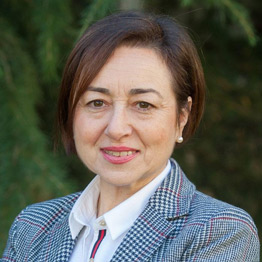
Christmas Canga Armayor
Group Leader
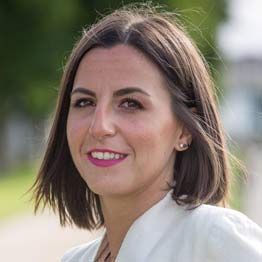
Nuria Esandi Larramendi
Senior Resesarcher
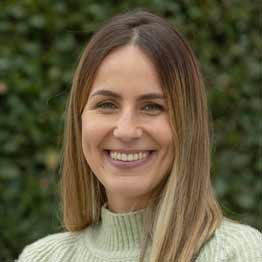
María Pueyo Garrigues
Post-Doctoral Resesarcher
Cristina Alfaro Díaz
Post-Doctoral Resesarcher
Mónica Arias Colinas
Post-Doctoral Researcher
María Lavilla Gracia
Post-Doctoral Researcher
Bilan Benbelkheir
Pre-Doctoral Researcher
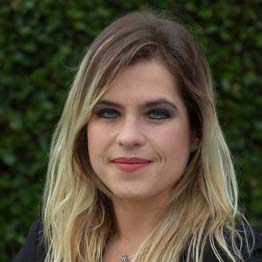
Nerea Azcárate Cenoz
Post-Doctoral Researcher
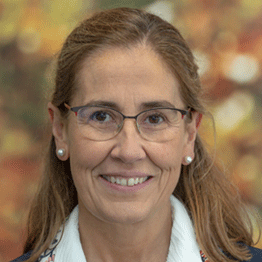
Marta Domingo
Post-Doctoral Researcher
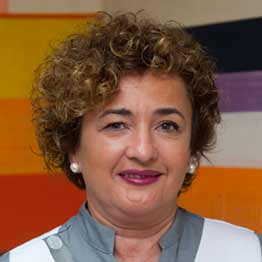
Elena Beortegui
Collaborating Researchers
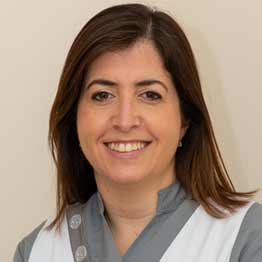
María Carrión
Collaborating Researchers
Rosana Goñi
Collaborating Researchers

Marian Soteras
Collaborating Researchers

Patricia Beorlegui
Collaborating Researchers

Usua Montes
Collaborating Researchers
Areas
This area focuses on health promotion in all stages of people's lives. On the one hand, it focuses research on health promotion in childhood and youth, where most habits and lifestyles are consolidated. On the other hand, research seeks to promote family health in the face of foreseeable and unexpected life circumstances, such as illness or the care of a family member.
From a salutogenic model , health and wellness promotion interventions are designed, implemented and evaluated, both in healthy and vulnerable populations, led by nursing professionals, or through the optimization of health assets, such as peers or equals. Specifically, the impact of implementing health promotion interventions in different lifestyles (nutrition, alcohol, tobacco, other drugs) has been evaluated; as well as new models of health care and their impact on the health status of the individual, satisfaction with health services and the motivation of professionals.
This area of research is aligned with the UN's goal of development Sustainable Development Goals (SDG), "Health". Specifically with goal 3, "Health and Wellness". Access to health and well-being is a human right, and this is why diary for Sustainable development offers a new opportunity to ensure that all people can access the highest standards of health and attendance health.
This area addresses essential aspects of healthcare, such as the quality and sustainability of the healthcare system and the role of nursing professionals in guaranteeing and contributing to its achievement.
Quality in nursing refers to the delivery of effective, safe, evidence-based, person-, family- and community-centered care, which involves involving people in decision-making about their health, ensuring that their needs and preferences are taken into account.
Sustainability in the healthcare system is fundamentally focused on promote sustainable practices in the health care of individuals and families, which can be sustained over time. Likewise, an adequate management of resources (economic, human and material) should be carried out, promoting a culture of innovation and continuous improvement in nursing services.
To this end, a core aspect is to ensure the correct training and training of nursing professionals and other health agents, so that they can adapt to the constant changes in the health system and the health needs of the population.
This area aims to contribute to the UN Sustainable Development Goals of development . Specifically, to goal 3: Health and Well-being "Ensuring healthy lives and promote well-being at all ages is essential for sustainable development ". Specifically, within the goals of this goal they point out the need to improve recruitment, development, training and retention of staff healthcare in countries in development and achieve universal health coverage with quality health services.
i. training of professionals
This line focuses on the training and training of nursing professionals to favor the acquisition of knowledge, skills and attitudes that promote a internship based on scientific evidence, in order to provide quality care and ensure the future sustainability of the National Health System.
Projects carried out within this line:
- training of nurses to carry out Family-Centered Care at internship clinic
- training of professionals to implement smoking cessation programs
- training of health science students in tobacco cessation interventions
ii. training of peers
This line focuses on the training and training of peers for the acquisition of knowledge, skills and attitudes on health promotion and Education , which has a positive impact on the peers who receive their interventions. In order to promote health, nursing professionals need to work with the model of health assets in the different contexts where they work work.
We are currently working on the training of university students so that they acquire the knowledge and the necessary skills to be health activists with their peers. Specifically, university students are being trained in motivational interviewing to address alcohol consumption in young people; and to prevent poly-consumption (tobacco, alcohol, cannabis).
Projects carried out within this line:
- training of university students in motivational interviewing to prevent alcohol consumption.
- training of university students in strategies to prevent substance use (tobacco, alcohol, cannabis).
iii. Implementation and translation of the knowledge
Implementation and translation refers to the process of transferring and applying the knowledge and the research on the clinical internship in nursing in a functional and effective manner. This includes identifying gaps in current care and developing interventions to address them, detecting and mitigating barriers to the use of an evidence-based internship , and evaluating the outcomes of the interventions. The current focus is on studying translational strategies from knowledge to promote the implementation of interventions in a systematized, evidence-based manner of:
1) family-oriented nursing care in different contexts;
2) health promotion interventions; and
3) training programs for professionals and students to carry out educational and health promotion interventions. Therefore, the research developed in this line is at the intersection of: i) nursing science (Nursing Science) and implementation science (Implementation Science).
Projects carried out within this line:
- Implementation of Family Centered Care at internship clinical in nursing.
- design, implementation and assessment of interventions aimed at implementing Family-Centered Care.
- model from internship Professional: Roles of internship Advanced Roles in Nursing.
- Implementation of complex interventions aimed at behavioral changes (tobacco, alcohol).
- Implementation of health promotion and Education training programs for nursing students.
This area focuses on obtaining measurement instruments with guarantees of psychometric quality, validity and reliability. Part of our research is oriented to design, adaptation and validation of questionnaires that allow the evaluation, in our context, of care processes, health outcomes and nursing competencies, to be used both in the clinical internship and in research. Also, tools that measure professional competencies and contextual factors that facilitate a diagnosis of the training needs of nurses and, at the same time, the design and assessment of training programs.
Measuring tools:
1) Spanish version of the Iceland Family Perceived Support Questionnaire for families and nursing professionals (In progress). This instrument measures the family's perception of the care provided by the professionals.
2) Spanish and English version of the Knowledge, Attitudes, Behaviors, and Organization Students questionnaire (KABO_S). This instrument measures the knowledge, attitudes, behaviors and skills as well as organizational elements related to the performance of skill of smoking cessation by students of health professions.
3) Spanish version of the Demand-Control-Support Questionnaire (DCSQ). This instrument assesses psychosocial stress in the workplace through the following dimensions: psychological demands at work, control over work and perceived social support at work.
4) Spanish version of the Iceland Health Care Practitioner Illness Belief Questionnaire (ICE-HCP-IBQ). This instrument measures nurses' beliefs about their understanding of the meaning that illness has for the family.
5) Spanish version of the Families' Importance in Nursing Care-Nurses' Attitudes (FINC-NA). This instrument measures nurses' attitudes towards the importance of including the family in the clinical internship .
6) Spanish version of the Instrument skill of Education for the Health of the Nursing Professional (I-CEpSE). This multidimensional tool measures each of the three domains of the skill of Education for the health of nurses: cognitive (knowledge), psychomotor (skills), and affective and attitudinal (personal attributes and attitudes).