

A Master's Degree with a clear orientation internship
The " Master's Degree " program has a " internship " focus: from day one, each student will begin a " project " in their " area " of interest to apply the computer tools covered in the courses to a real-world scenario.
The TFM (26 ECTS credit) is a work directed by a tutor, who must first meet with the student. It begins on the first day of the course and constitutes the pivot around which the Master's Degree revolves.
Many researchers at the University of Navarra and the School of Applied Medical Sciences ( research center Médica Aplicada) (CIMA) offer Master’s thesis topics that they are willing to supervise. Alternatively, students can seek out a professor willing to supervise a research project ( work ) in their area of interest and propose it as their Master’s thesis. In addition, there are agreements in place with companies interested in hosting a student from the School of Applied Medical Sciences ( Master's Degree ) to complete theirMaster’s thesis at business.


 PROJECTS CARRIED OUT IN RECENT YEARS
Master's Degree 's Final Projects - Master's Degree in Science data for Experimental Sciences
project No. 1 - ASSIGNED
Exploration of algorithms for identifying symptom trajectories reported by patients undergoing follow-up during cancer treatment
Director: Mikel Hernaez
Co-advisor: Maider Alberich (Naru Intelligence)
Master's Thesis in business
project
Surface Doping of Proteins to Program Substrate Selectivity While Preserving Core Packing
Director: Juan Pablo Fuenzalida
project
From Cells to Rivers: Machine-Learning Decoding of Environmental Water Quality Using Fluorescent Sensor Proteins
Director: Juan Pablo Fuenzalida
Co-director: Yasser Morera
project
Analysis of microproteins to identify new antitumor therapies
Director: Puri Fortes
project
AI-based computational pathology to identify cell types and neighborhoods that are likely associated with antitumor immunotherapy efficacy
Director: Carlos De Andrea
Co-director: José Echeveste
project
Multivariate analysis of the influence of environmental factors on the proliferation of toxic algae in Spanish reservoirs
Director: Yasser Morera
project
Aggregation of structured data
Director: Jorge Elorza
project
Artificial Intelligence (AI) to define actionable genetic risk
Director: Carlos Ruiz Arenas
Co-director: Mikel Hernaez
project
Mass drug repositioning using Graph Neural Networks
Director: Mikel Hernaez
project
Machine learning models to elucidate the transcriptional dynamics in mCRPC at single-cell resolution
Director: Mikel Hernaez
project No. 11 - ASSIGNED
Towards a virtual CAR-T cell via Deep Generative Models
Director : Mikel Hernaez
project
Unraveling the genetic makeup of rare diseases through AI and advanced sequencing technologies
Director: Mikel Hernaez
Co-director: Ana Patiño
project - ASSIGNED
Synthesis and characterization of metal-organic framework (MOF) materials and their application as adsorbents
Director: Francisco Javier Peñas
Co-advisor: Adrián Durán
project
Multimodal Analysis and data Integration data High-Resolution Spatial Transcriptomics (Visium HD)
Director: Sandra Hervás Stubbs
Co-director: Ángel M. Martínez Montes
project
Combination of data for the prevention of atrial fibrillation recurrence in essay
Director: Cristina Razquin
Co-director: Miguel Ruiz Canela
project
data processing data evacuation drills with robots
Director: Ángel Garcimartín
project
Crowd dynamics and the risk of falls in stampedes: perspectives from the Running of the Bulls in Pamplona
Director: Iñaki Echeverría
project No. 18 - ASSIGNED
Decoding Epigenetic Mechanisms Driving Cardiac Fibrosis
Principal Investigator: Beatriz Pelacho
project No. 19 - ASSIGNED
Analysis of the conservation status of freshwater fish on the IUCN Red List and the validity of its categorization criteria
Director: Rafael Miranda
project
Quantitative analysis of the relationships between functional traits in vascular plants
Principal Investigator: Mercedes Valerio
Co-Principal Investigator: Marina García Cardosa
project
Single-cell analysis of resistance mechanisms
Director: Fernando Lecanda
project - ASSIGNED
Stochastic Analysis and data Validation data model Bhattacharya-Ghil Energy model Coupled with the Carbon Cycle
Director: Reinaldo García
project - ASSIGNED
Development of deep learning tools to identify motility-based population behaviors in immune cells
Director: Álvaro Teijeira
Co-Principal Investigator: Mikel Hernaez
project
Artificial Intelligence Applied to the Translation of Non-Canonical Proteins
Director: Puri Fortes
project
Spatial overlap at the taxonomic and phylogenetic levels of terrestrial and freshwater conservation priorities in the Iberian Peninsula
Director: Imanol Miqueleiz
Co-Principal Investigator: David Galicia
project
Efficiency of the network 2000 network for the protection of freshwater fish under climate change
Director: Imanol Miqueleiz
Co-director: David Galicia
project
Identifying novel players in the pathogenesis of metabolic dysfunction-associated steatotic liver disease (MASLD) and progression toward liver cancer
Director: Pedro M. Rodrigues
Co-director: Jesús M. Bañales
Master's Thesis in business
project – ASSIGNED
development new selective adsorbent materials for the removal of contaminants
Director: Adrián Durán
Co-director: Francisco Javier Peñas
project – ASSIGNED
Oxidation markers in PBMA (plant-based meat analogs)
Director: Diana Ansorena
Co-director: Icíar Astiasarán
project – ASSIGNED TO
Engineering of rsFP surfaces to improve compatibility with polysaccharide-based matrices through design silico design and targeted mutagenesis
Director: José Ramón Isasi
Co-advisor: Juan Pablo Fuenzalida
project – ASSIGNED
approach to humic acid-induced mechanisms for the mitigation of osmotic stress in cereals: integration of signaling processes from the initial stage to the final adaptive response
Director: José María García Mina
Co-director: Maite Olaetxea
project – ASSIGNED
approach to humic acid-induced mechanisms for mitigating salt stress in cereals: integration of processes from initial signaling to the final adaptive response
Director: José María García Mina
Co-director: Maite Olaetxea
project – ASSIGNED
Estimation of the dose received by individual blood cells in radiation therapy
Director: Javier Burguete
Co-advisor: Marina García Cardosa
project No. 34 – ASSIGNED TO
Impact of climate change on grape composition and employment of plant growth regulators for its mitigation
Director: Íñigo Barrio
Co-director: Inmaculada Pascual
project No. 35
Decoding RNA dynamics and structure in colon cancer through integrative high-throughput transcriptomics
Director : Igor Ruiz de los Mozos
Co-director: Fernando Pastor
project No. 36 - ASSIGNED
development and scientific validation of a generative AI agent for design and multi-objective prioritization of ADC components
Director: Mikel Hernaez
Co-advisor: Andoni Berbel (Oncomatryx)
Master's Thesis in business
project No. 37 – ASSIGNED
Development of a system for capturing data using sensors and an IoT-based automatic irrigation system
Director: Johann Martínez Lüscher
Co-director: Inmaculada Pascual
project No. 38 – ASSIGNED
Unraveling the genetic makeup of rare diseases through AI and advanced sequencing technologies
Director : Mikel Hernaez
Co-director: Ana Patiño
project No. 39 – ASSIGNED
Discovery of Shared Non-Canonical Tumor Antigens and Candidate T-Cell Receptors for Chronic Lymphocytic Leukemia Immunotherapy
Director : Mikel Hernaez
project No. 40 – ASSIGNED
Genetically Encoded Polymers: design A translation model from synthetic polymers to amino acid sequences based on physicochemical properties
Director : Juan Pablo Fuenzalida
project No. 41 – ASSIGNED
development of a structural prediction methodology for the computational assessment ation of experimental designs for environmental sensors based on circularly permuted fluorescent proteins
Director : Juan Pablo Fuenzalida
project No. 42 – ASSIGNED
Synthesis of polysaccharide “microbeads”: design Development of new formulations and process optimization using “machine learning” techniques
Director: Juan Pablo Fuenzalida
Co-director: Juan Pablo Fuenzalida
project No. 43 – ASSIGNED
development of a bioinformatics tool for the integration of taxonomic and functional data in soil metagenomic programs of study
Director : David de Hita
Co-director: Marta Fuentes
project nº1
iterative proteindesign for genetically encoded polymers (GEPs)
Director: Juan Pablo Fuenzalida
project nº2 - ASSIGNED
Analysis of microproteins to identify new antitumor therapies
Director: Puri Fortes
project nº3
AI-based computational pathology to identify cell types and neighborhoods
Director: Carlos E de Andrea
Co-director: José Echeveste
project nº4
assessment of the contact pressure patterns of different regions of the human body
Director: Diego Maza
project nº5
Aggregation of structured data
Director: Jorge Elorza
project nº6 - ASSIGNED
Spatio-temporal models for the prediction of suicidal behavior
Director: Miguel Valencia
Co-director: David Galicia
project nº7
development of new selective adsorbent materials and their application in water treatment
Director: Francisco Javier Peñas
Co-director: Adrián Benito
project nº8
Automation in the detection of landmarks in mammalian cranial Structures for the analysis of morphological patterns.
Director: David Galicia
project nº9
Analysis of the sensitivity of different SDM procedures to degradation of accessible biological and environmental information
Director: David Galicia
project nº10
Exploring evolutionary relationships in the animal kingdom through molecular traits: controversial phylogenies and cryptic species
Director: David Galicia
Co-director: Isabel Rey
project nº11
Assesing functional host-microbiome-diet interactions using deep learning models
Director: Rafael Valdés
project nº12
Defining the core healthy human microbiome using deep learning models
Director: Rafael Valdés
project nº13
Polysaccharide-Based Matrices for Stabilization and Functional Enhancement of Reversibly Switchable Fluorescent Proteins (rsFPs)
Director: José Ramón Isasi
Co-director: Juan Pablo Fuenzalida
project nº14 - ASSIGNED
Proteomic and multi-omic analysis for the prevention of atrial fibrillation recurrence in PREDIMAR essay
Director: Cristina Razquin
Co-director: Miguel Ruiz Canela
project nº15
Metabolomic and lipidomic biomarkers associated with weight loss after an intervention with a prebiotic ingredient.
Director: Paula Aranaz
Co-director: Ana Romo
project nº16 - ASSIGNED
Multivariate analysis of the influence of environmental factors on the proliferation of toxic algae in Spanish reservoirs.
Director: Yasser Morera
project nº17 - ASSIGNED
Development of a data capture system using sensors and automatic irrigation based on IoT.
Director: Johann Martínez Lüscher
Co-director: Inmaculada Pascual
project No. 18
Computational methods applied to macro and microscopic images of microplastics obtained through plastic degradation processes
Director : Sheila Izquieta
Co-director: Adrián Durán
project No. 19
Computational methods applied to the physical-chemical study of the physical, Chemistry and biological degradation of plastics
Director : Adrian Duran
Co-director: Sheila Izquieta
project nº20 - ASSIGNED
Characterization of tumor-associated macrophages in hepatocarcinoma: identification of potential therapeutic targets.
Director: Ibón Tamayo
Co-director: Pablo Sarobe
project nº 21 - ASSIGNED
Artificial Intelligence (AI) to define actionable genetic risk predictors
Director: Carlos Ruiz Arenas
Co-director: Mikel Hernaez
project nº 22
Mass drug repositioning using Graph Neural Networks
Director: Mikel Hernaez
project nº 23
Machine learning models to elucidate the transcriptional dynamics in mCRPC at single-cell resolution
Director: Mikel Hernaez
project nº24 - ASSIGNED
Decoding Epigenetic Mechanisms Driving Cardiac Fibrosis
Director: Beatriz Pelacho
Co-director: Ana Rouzaut
project nº25 - ASSIGNED
Rapid Solid State Protein Solid State Indicator for Natural Toxins
Director: Juan Pablo Fuenzalida
project nº26 - ASSIGNED
Surface engineering of rsFPs to improve their compatibility with polysaccharide-based matrices by in silico design and targeted mutagenesis
Director: José Ramón Isasi
Co-director: Juan Pablo Fuenzalida
project nº27 - ASSIGNED
Mapping of the tumor microenvironment by spatial transcriptomics, single-cell and TCR repertoire
Director: Sandra Hervás Stubbs
Co-director: Ángel Mario Martínez Montes
project nº28 - ASSIGNED
Spatial transcriptomics analysis at subcellular resolution with Visium HD: Challenges and bioinformatics solutions for cell segmentation
Director: Sandra Hervás Stubbs
Co-director: Enric Vercher
project nº29 - ASSIGNED
Towards a virtual CAR-T cell via Deep Generative models
Director: Mikel Hernaez
project nº30 - ASSIGNED
Unraveling the genetic makeup of rare diseases through AI and advance sequencing technologies
Director: Mikel Hernaez
Co-director: Ana Patiño
project nº31 - ASSIGNED
Automatic characterization of wildlife monitoring sonograms
Director: David Galicia
Master's Degree 's Final Projects - Master's Degree on Computational Methods in Science
project 01 - ASSIGNED
degree scroll: Dissection of clinically significant vulnerabilities in breast cancer radio-resistance
project 02 - ASSIGNED
degree scroll: Artificial Intelligence applied to Structures RNA Structures
project 03
degree scroll: Artificial Intelligence (AI) to define actionable genetic risk predictors
project 04
degree scroll: Endothelial Cell Heterogeneity in Adipose Tissues: Understanding Cell Population Dynamics in Response to Diet Using scRNA Sequencing
project 05 - ASSIGNED
degree scroll: Characterization of presentation in lung cancer metastases
project 06
degree scroll: The role of Machine Learning in Radiopharmaceutical Therapy
project - ASSIGNED
degree scroll: Optimization of a metataxonomic analysis pipeline based on ONT long reads
project 08 - ASSIGNED
degree scroll: Metabolomic and microbiota biomarkers in relation to per diem expenses metabolic disease
project 09 - ASSIGNED
degree scroll: Mass drug repositioning using Graph Neural Networks
project 10 - ASSIGNED
degree scroll: data analysis of dynamic particle systems
project 11 - ASSIGNED
degree scroll: development sustainable polymeric materials through photo-crosslinking
project 12 - ASSIGNED
degree scroll: Study of bacterial and fungal communities belonging to the soil-plant system in response to the use of biostimulants on crops of agronomic interest
project 13 - ASSIGNED
degree scroll: assessment the urease inhibition capacity of soil from various plant by-products from the agri-food and paper industries.
project 14 - ASSIGNED
degree scroll: Deconvolving the DMG tumor microenvironment from spatially resolved transcriptomics using Deep Learning models
project 15 - ASSIGNED
degree scroll: Numerical Simulation of Self-Propelled Macroscopic Particles
project 01
degree scroll: development new selective adsorbent materials and their application in water treatment
project 02
degree scroll: Programming a swarm of robots
project 03
degree scroll: New Molecular Targets for CCA Treatment
project 04 ASSIGNED
degree scroll: The role of zoos in the reintroduction of endangered species
project 05
degree scroll: Precision mapping of a lymphedema genetic signature in radiotoxicity in breast cancer patients
project 06 ASSIGNED
degree scroll: Automatic contouring of organs in medical images with application in radiotherapy
project 07 ASSIGNED
degree scroll: Analysis of microproteins in search of new antitumor therapies
project 08
degree scroll: Use of convolutional neural networks to study spatial interactions between immune system cells and tumor cells in pancreatic adenocarcinoma
project 09 ASSIGNED
degree scroll: Numerical and experimental modeling of the physisorption process on surfaces
project 10 ASSIGNED
degree scroll: A new biochemical/bioinformatic tool to detect small circular RNAs
| Title | department o laboratory | Teacher in charge | State |
|---|---|---|---|
|
2. Control of the collective movement of self-propelled particles using photovoltaic energy |
Dto. Physics and Applied Mathematics |
Iker Zuriguel Ballaz |
available |
|
4. Thermodynamic cycles with magnetotactic bacteria |
Dto. Physics and Applied Mathematics |
Reinaldo García García |
available |
|
9. Programming mini-robots to simulate traffic jams |
Dto. Physics and Applied Mathematics |
Ángel Garcimartín Montero |
available |
| 18. Computational Mechanistic-based Modeling applied to the development of Oncolytic virus | Pharmaceutical Chemicals and Technology Dept. | José Ignacio Fernández de Trocóniz Fernández | Assigned |
| Title | department o laboratory | Teacher in charge | State |
|---|---|---|---|
| 3. AI-based computational pathology applied to digitized patient biopsies | Anatomy Pathology (CUN) | Carlos E de Andrea | Assigned |
| 7. Search for state-of-the-art biomarkers for early diagnosis and prognosis estimation in patients with cholangiocarcinoma (The Master's Thesis is being developed in San Sebastián). |
Liver and Gastrointestinal Diseases | Jesús María Bañales | available |
| 8. Prediction of aptamers with high affinity and specificity in silico | 3.06 | Fernando Pastor | Assigned |
| 10. Use of data hepatocellular carcinoma data to develop new therapeutic strategies | 406 CIMA / UNAV | Puri Fortes | Assigned |
|
11. Deconvolving the DMG tumor microenvironment from spatially resolved transcriptomics using Deep Learning models |
Dept. of Computational Biology |
Mikel Hernáez |
Assigned |
| 12. Deep learning for the automatic annotation of behavioral patterns in non-human primates | Systems Neuroscience Lab. CIMA. | Miguel Valencia | Assigned |
| 16. Implementation of RNAseq-based approaches to define T cell states and clonality of immunotherapy responses in lymphoma | Biochemistry and Genetics | Sergio Roa | Assigned |
| Title | department o laboratory | Teacher in charge | State |
|---|---|---|---|
|
1. Phenology of fauna in the MSS in the Pre-Pyrenees |
Dto. Environmental Biology |
Enrique Baquero |
available |
|
5. development new selective adsorbent materials and their application in water treatment |
Dto. Chemistry |
José Ramón Isasi |
available |
|
6. development new clean methodologies for the manufacture of phosphate fertilizers. |
Dto. Environmental Biology |
José Mª García-Mina Freire |
Assigned |
| 13. Automation in the detection of landmarks in mammalian Structures for morphological pattern analysis | Dto. Environmental Biology | David Galicia Paredes | available |
| 14. Sensitivity analysis of different SDM procedures to the degradation of accessible biological and environmental information | Dto. Environmental Biology | David Galicia Paredes | Assigned |
| 15. Exploring evolutionary relationships in the animal kingdom through molecular characters: controversial phylogenies and cryptic species | Dto. Environmental Biology | David Galicia Paredes | available |
area of Physics and Applied Mathematics
| Title | department o laboratory | Teacher in charge | State |
|---|---|---|---|
|
6. Analysis of experimental images using artificial intelligence techniques |
Dto. Physics and Applied Mathematics |
Wenceslao González-Viñas |
available |
|
7. assessment left atrial electrical activity in patients with atrial fibrillation (biomedical image processing) |
Dto. Physics and Applied Mathematics |
Jean. R. Bragard |
available |
|
9. Programming robots to simulate evacuations |
Dto. Physics and Applied Mathematics |
Ángel Garcimartín Montero |
Assigned |
|
10. Automated diagnostic system using blood analysis |
Dept. Physics and Applied Mathematics |
Ángel Garcimartín Montero |
available |
|
15. evaluation of motility guide patients with Parkinson's disease |
Dto. Physics and Applied Mathematics |
Javier Burguete Mas |
Assigned |
|
16. Wind Turbine Wind Speed and Active Power Short-Term Forecasting: State of the Art, Forecasting Model, and Web Application |
Dto. Physics and Applied Mathematics |
Sergio Ardanaz-Trevijano Moras |
available |
|
19. Computational applications of T-subgroup aggregation and indistinguishability |
Dto. Physics and Applied Mathematics |
Jorge Elorza |
Assigned |
|
20. Numerical study of spirals in cardiac tissue |
Dto. Physics and Applied Mathematics |
Jean Bragard |
available |
area of Bioinformatics
| Title | department o laboratory | Teacher in charge | State |
|---|---|---|---|
|
1. Use of data hepatocellular carcinoma data to stratify patients and predict new therapeutic strategies |
Bioinformatics Unit |
Puri Fortes |
Assigned |
| 3. Exploring evolutionary relationships in the animal kingdom through molecular characters: controversial phylogenies and cryptic species | Dto. Environmental Biology | David Galicia Paredes | Assigned |
|
11. Study of the tumor microenvironment of B-cell lymphomas using scRNAseq analysis |
Dto. Biochemistry and Genetics |
Sergio Roa |
Assigned |
|
12: Optimization of a predictor of response to immunotherapy for diffuse lymphoma, using machine learning with data |
Dto. Biochemistry and Genetics |
Francisco Javier Novo Villaverde |
Assigned |
|
13. Predicting the cellular composition and molecular makeup of the neurovascular unit using machine learning methods |
Computational Biology Program |
Mikel Hernáez |
Assigned |
|
18. Deep learning and open hardware applications in ethology: automatic annotation of behavioral patterns in animal models of neurological and neurodegenerative diseases |
Systems Neuroscience LAB |
Miguel Valencia |
Assigned |
| 21. Systems biology approaches for the treatment of mutant KRAS gastrointestinal tumors with poor prognosis | Solid Tumour Programme, CIMA - Computational Biology Programme CIMA | Silvestre Vicent | Assigned |
| 22. Studying the transition from myelodysplastic syndrome to acute myeloid leukemia from a transcriptomics perspective | Computational Biology Tecnun | Fernando Carazo | Assigned |
| 23. Deciphering Alternative Splicing and DNA Methylation Association in Head and Neck Squamous Carcinoma | Computational Biology Tecnun | Fernando Carazo | Assigned |
| 25. A Bioinformatic Methodology to Identify Small Circular RNAs. | Gene therapy and regulation of gene expression | Tomás Aragón | Assigned |
area of Biology and Environment
| Title | department o laboratory | Teacher in charge | State |
|---|---|---|---|
|
4. Sensitivity analysis of different SDM procedures to the degradation of accessible biological and environmental information |
Dto. Environmental Biology |
David Galicia Paredes |
available |
|
5. Automation in the detection of landmarks in mammalian Structures for the analysis of morphological patterns |
Dto. Environmental Biology |
David Galicia Paredes |
available |
|
14. Analysis of the effectiveness development European LIFE program and other international aid in biodiversity conservation |
Dto. Environmental Biology |
Rafael Miranda |
Assigned |
|
17. Exploitation of data obtained from sampling in the Sierra de Guadarrama MSS |
Dto. Environmental Biology |
Enrique Baquero |
available |
|
26.development implementation of a new financial aid tool the development marine renewable energies, under the maritime spatial approach |
Dto. Environmental Biology | Ibon Galparsoro | available |
area of Chemistry
| Title | department o laboratory | Teacher in charge | State |
|---|---|---|---|
|
2. development new selective adsorbent materials and their application in water treatment |
Dto. Chemistry |
José Ramón Isasi |
Assigned |
|
8. In silico toxicology: an overview of computational methods for the genotoxicity prediction of a series of bioactive compounds |
Technology Department and Chemistry Pharmaceuticals |
Maria Font |
available |
| 24. Hydrogel microfluidics: process optimization, characterization, and applications | Chemistry and Physics and Applied Mathematics | José Ramón Isasi | Assigned |
SOME EXAMPLES OF TFM ALREADY COMPLETED
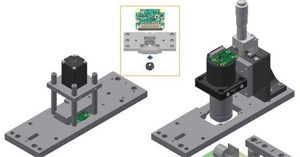
Automated image analysis diagnostic system
The project aims to develop a low-cost diagnostic kit to detect, by means of image analysis on a biological sample , certain diseases that are particularly prevalent in poor countries (tuberculosis, malaria, etc.).
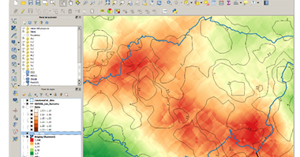
Analysis of the sensitivity of different species distribution models to the degradation of biological and environmental information. available
To know the limitations that the most frequently used methods in the literature have on the quality of the information on entrance, in order to decide which is the most appropriate tool to use depending on the primary data available.
Precision personalised medicine for the treatment of multiple myeloma using Deep Learning techniques
In this project we propose to use data of RNA-Seq, DNA-Seq and clinical data to design a new stratification system for multiple myeloma patients based on the employment of autoencoders.

Modelling catalytic photodegradation kinetics in aqueous media
The work will consist of developing general kinetic models of photodegradation that take into account other substances present in the aqueous medium.
