Nursing students are leading a pioneering initiative to reduce alcohol consumption among young people
A essay conducted by the University shows that a brief, personalized peer intervention is effective in curbing binge eating and its negative consequences for at least one year

Photoby Manuel Castells/María Lavilla-Gracia
10 | 04 | 2026
In a context where nearly 40% of Spanish college students engage in risky drinking, a research the University of Navarra has validated a pioneering strategy based on peer support. The study, published in the journal Addiction, demonstrates that a single brief session, led by nursing students, reduces alcohol consumption, binge drinking episodes, and their negative academic and social consequences for at least one year.
The research, a randomizedessay involving 308 college students, evaluated the effectiveness of the BASICS (Brief Alcohol Screening and Intervention for College Students) program, adapted to the Spanish context. After a 12-month follow-up, students who received peer support consumed, on average, 3.42 fewer drinks per week than those who did not participate in the program (8.93 versus 12.35 drinks), a clinically relevant and statistically significant reduction.
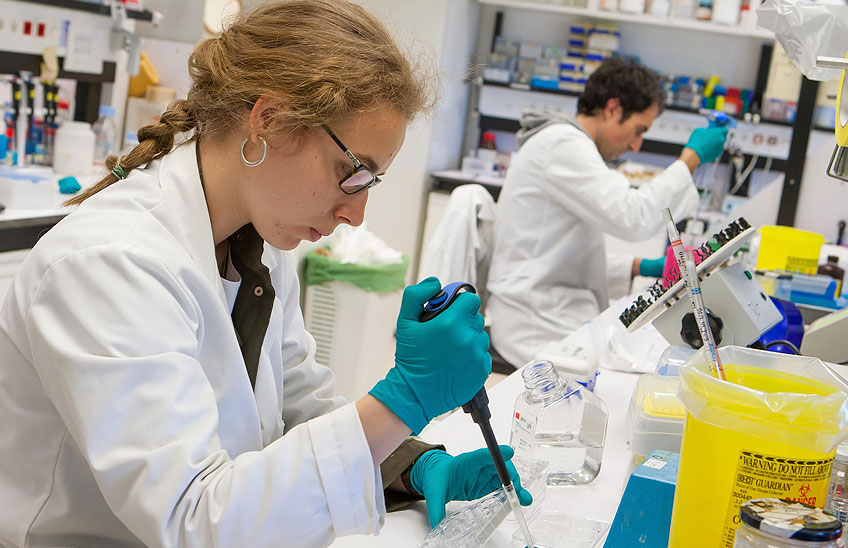
The program, an adaptation of model , consists of a 50-minute one-on-one conversation guided by motivational interviewing, a technique designed to promote change by helping students reflect on their drinking habits without resorting to judgment or confrontation. During the session, the participant receives personalized information about their actual drinking habits and compares this with their often exaggerated perception of how much their peers drink. This approach debunk myths, correct erroneous social norms, and strengthen their self-control.
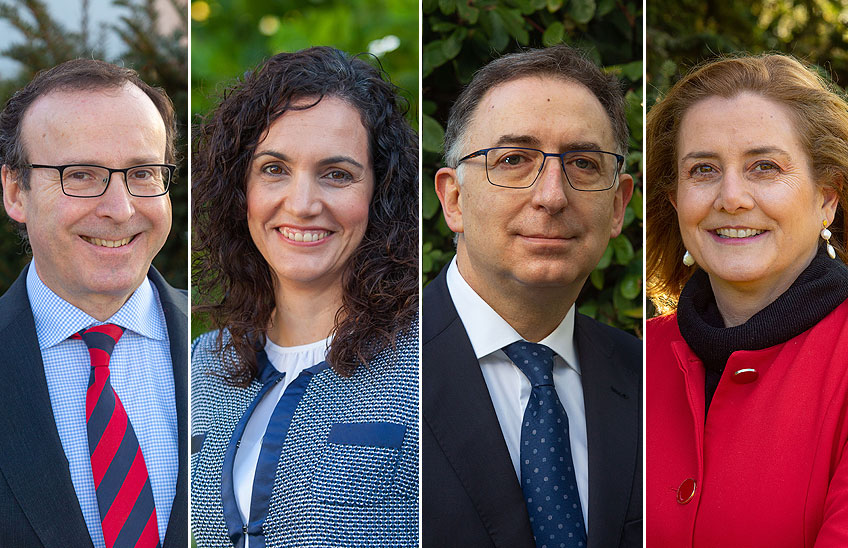
The program’s success lies in the fact that the intervention is not delivered by healthcare professionals, but by senior nursing students who have received prior training. “This core topic closeness is core topic. The message’s credibility increases when it comes from someone within the same community,” explains María Lavilla-Gracia, a researcher and professor at the University ofSchool of Nursing and one of the study’s authors. “Having the students themselves promote these healthy habits makes their peers perceive the intervention as more relatable and realistic, which facilitates change.”
The Impact on "Binge Eating" and Public Health
In addition to drinking less, the study also highlights a reduction in episodes of heavy drinking (“binge drinking”), a particularly harmful patron saint . Furthermore, fewer alcohol-related negative consequences were reported, such as accidents, interpersonal conflicts, or academic difficulties. Furthermore, the study has a high follow-up rate (97.7% per year), which reinforces the robustness of the results.
The researchers also observed a sustained increase in motivation to change and, in particular, in self-efficacy—that is, students’ confidence in their ability to control their consumption—which became established after 12 months and points to a lasting change in habits.
For the researchers, who are also affiliated with the Navarra Institute for research (IdiSNA), these findings demonstrate that it is possible to improve public health with limited resources right on campus. "In an environment where alcohol consumption is part of social norms, leveraging peer influence among students emerges as a promising strategy for changing behaviors and improving long-term health," notes Navidad Canga, a professor at the University of School of Nursing and one of the study’s authors.
The study was funded by the Chair EgeaChair and the Friendsassociation the University of Navarraassociation .