Marina García Cardosa, award the best thesis on Medical Physics
His thesis on personalized external radiotherapy has been recognized by the Royal Spanish Physics Society in the Medical specialization program .

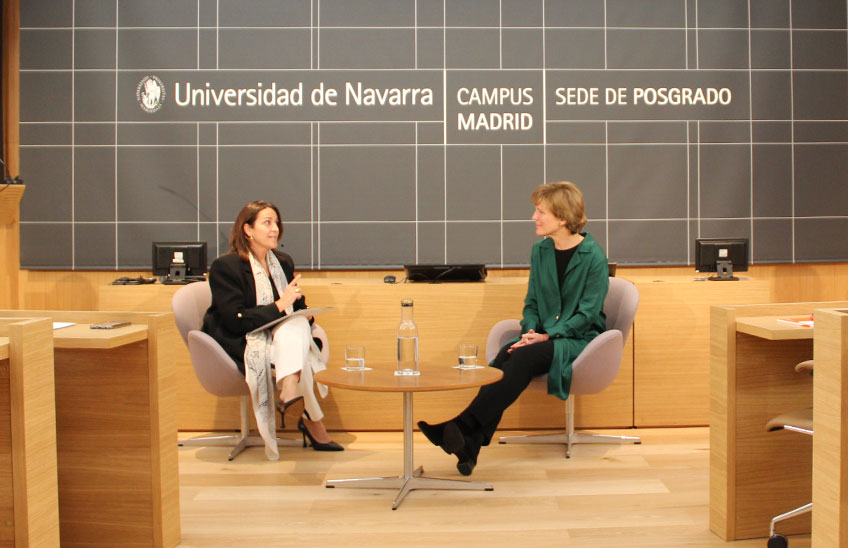
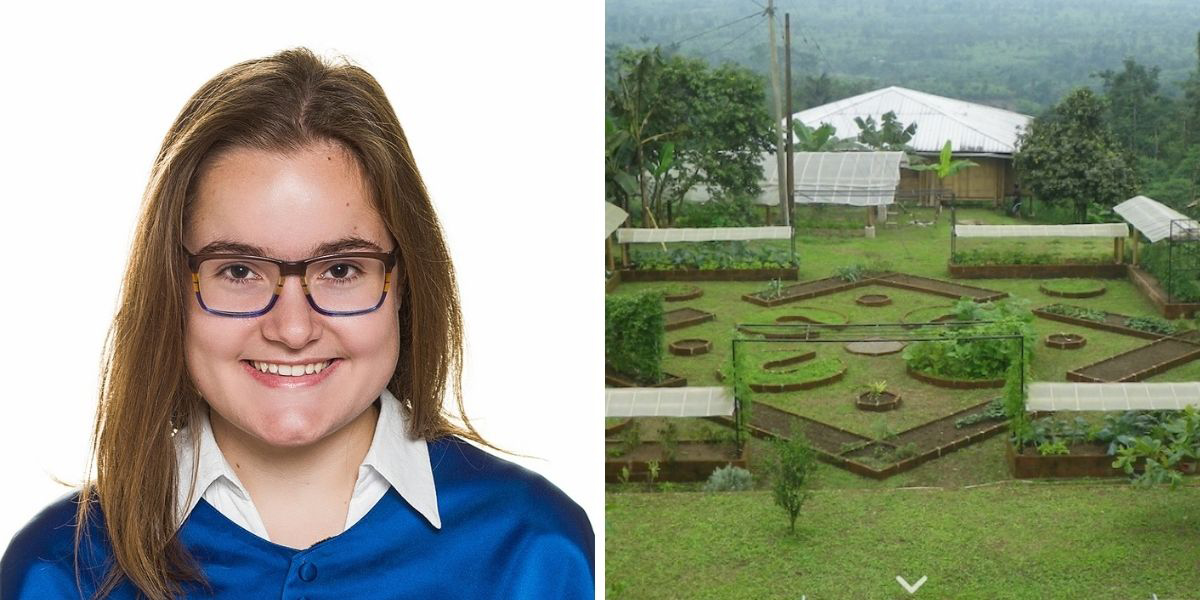
Photo: Manuel Castells/Marina García Cardosa
23 | 02 | 2026
Marina García Cardosa (Málaga, 1997) has been awarded the award the best thesis by group of Medical Physics of the Royal Spanish Physics Society, competition every two years.
Marina earned a Bachelor's degree in Health Engineering (2019) and Master's Degree Mechatronics Engineering (2020) from the University of Málaga. She completed her thesis under the supervision of Dr. Javier Burguete in the department Physics and Applied Mathematics at the School of Science at the University of Navarra (2025), where she currently works degree program professor researcher.
Marina is proud of this recognition and grateful to both her family and her thesis director thesis who have accompanied her on this journey. She sees it as a joy and a shared success. For the Malaga native, rigor, honesty, humility, and a desire to learn have guided her research work. "After these years of work, effort, and perseverance, receiving this recognition feels especially good and, far from being an end point, it drives me to continue advancing and growing in the field of medical physics," says Marina García.
In his thesis (Toward a comprehensive personalized circulating blood irradiation model in radiotherapy), he proposes a novel methodology for determining the amount of radiation that patients receive in their blood when undergoing radiotherapy on an individualized basis. "The FLIP (FLow and Irradiation Personalized) methodology is characterized by combining specific information about each patient: the Anatomy their blood vessels, the actual movement of blood, the three-dimensional distribution of the radiation dose, and the exact temporal sequence of the treatment," he notes.
research represents a significant advance in the individualized quantification of blood doses during radiotherapy treatments. "It improves the accuracy of blood dose estimates and lays the instructions treatment strategies aimed at reducing hematological toxicity," notes the young researcher.
For the doctor, the future of this research be geared toward greater personalization of radiotherapy treatments and the integration of these tools into internship . "Each person is unique and requires approaches tailored to their oncological characteristics." Marina also points out that multidisciplinary teams are necessary, where professionals from different fields of knowledge together to continue advancing.