“The companies that will win the battle won’t be the most efficient ones; they’ll be the most beloved ones.”
Iñigo Zaldívar, director of Bimani, delivered the keynote address at the ISEM graduation ceremony, which brought together three graduating classes from its postgraduate program explore a single question: what does it mean to be a fashion professional today?

PhotoJuanJosé Rico/
29 | 06 | 2026
There was excitement, but also a sense of trepidation. Almost a year ago, the graduates who, this Thursday, made a decision that—for some—meant leaving everything behind and, for all of them, required a tremendous effort: jobs, routines, countries. Some opted for a full-time program full-time others chose programs they could pursue alongside their professional lives; but all shared the hope of gaining a deeper understanding of an industry that is as fascinating as it is demanding. Nine months later, with their diploma hand and their families in the front row, the feeling was unanimous: it was worth it.
The ceremony brought together the third graduating class of Master's Degree management (MFM), the 23rd graduating class of the Executive Master’s in Fashion Business Administration (FBA), and the 12th graduating class of the Advanced Program in Fashion Business Management (PADEM). These three distinct groups—newcomers to the industry, active executives, and entrepreneurs with years of experience—have found a common language at ISEM.

ISEM DeanMarta Torregrosa chosethe word “profession”—from the Latin *professio*, meaning “public declaration”—as the theme of her speech. Rather than a review of technical skills, her remarks were an invitation to reflect on the purpose of what we do: “A profession requires serving others,” she noted, pointing out that fashion addresses needs that go far beyond the product itself: identity, a sense of belonging, and self-expression. She concluded with a notice sounded more like encouragement than a warning: there will be pressure, there will be difficult moments, “and being a good professional also means persevering.”
The keynote address was position Iñigo Zaldívar, director of Bimani, who spoke with data, honesty, and the authority of someone who has been in the industry for more than fifteen years. He spoke about artificial intelligence—“there are tasks that are being automated; focus on what cannot be automated: human connection”—about the misguided obsession with profit margins rather than purpose, and about talent as the challenge concerns him most today. All of this without losing sight of the essential: “Trends come and go, but the human desire to feel cared for, attended to, and seen remains. In that desire lies the true secret of this industry.”
Representatives from each graduating class spoke about what the program means when experienced from the inside. The MFM representatives talked about classmates who had come from other cities and countries and ended up becoming part of their story, and they took a moment to honor their classmate Gema, who became a mother during the academic year: “She has taught us that courage comes in many forms.” For their part, the FBA group recalled their trips to Paris, Milan, and Pamplona—not so much for the places themselves as for the people: “The best experiences aren’t always the places we visit, but rather the people we share them with.” And the PADEM participants—professionals with very diverse backgrounds, ranging from luxury to mass market, from products to e-commerce—highlighted how unique it is to share classroom someone who views the same industry through a different lens: “That diversity is what class the conversation in class one you can’t have anywhere else.”
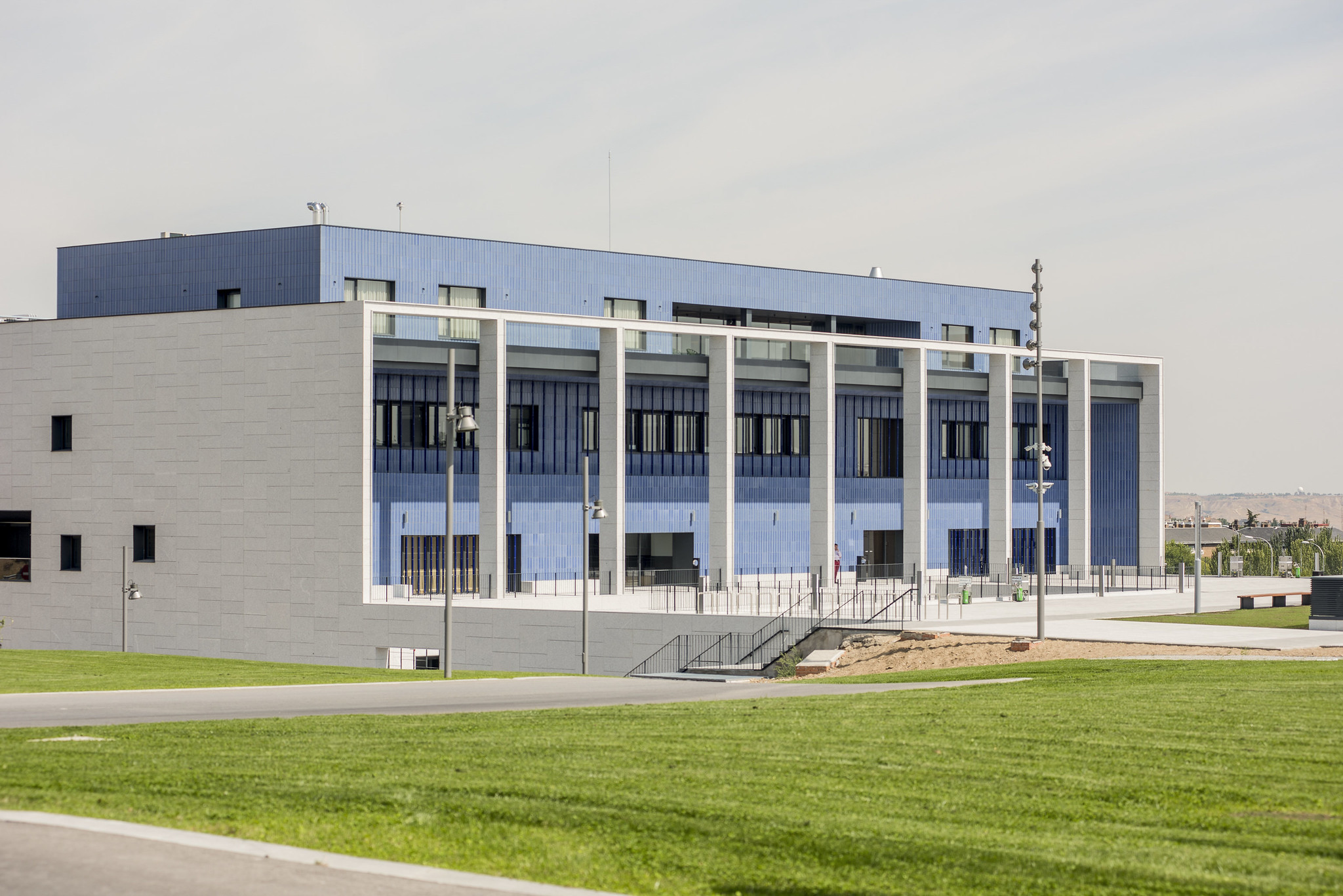
After the diplomas submission building submission garden was opened to families and friends who had followed the course from afar, amid calls of support and weekends sacrificed for the program. The cocktail reception that closed out the afternoon was, in a way, the first event of the next phase: that of the alumni. Because at ISEM, graduation isn’t a farewell, but a “see you next time.”