The University of Navarra Brings Its Alumni Together in Quito and Guayaquil
María Iraburu, president, wanted to return to the university's roots and its raison d'être

28 | 08 | 2026
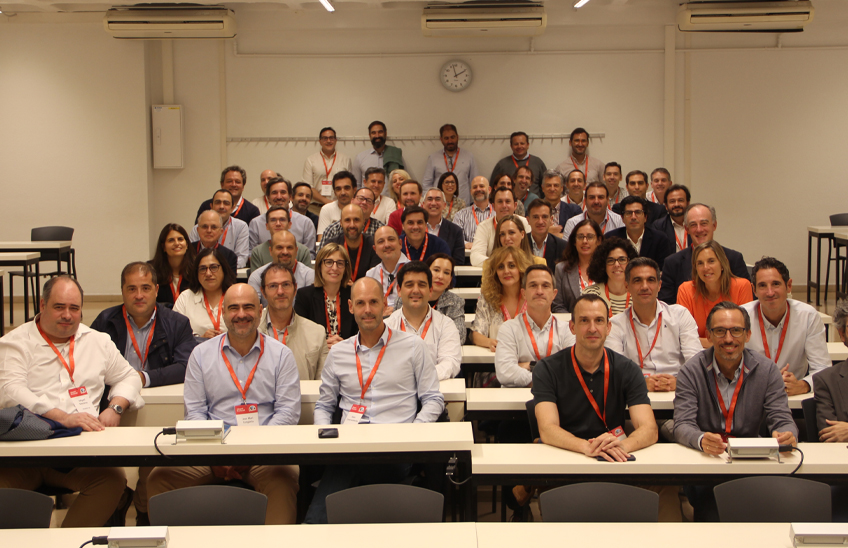
To reconnect, listen, and reflect together on what lies ahead. In that spirit, the University of Navarra’s alumni trip to Ecuador made stops in Quito and Guayaquil, bringing together a community eager to maintain ties with the University and to launch new projects from within the country.
The first “ quotation ” took place on August 19 at the Marriott Hotel in Quito, featuring a session by the “ president,” María Iraburu (BIO’87 | PhD’92), followed by a cocktail reception. Three days later, on Saturday, August 22, the trip continued to Guayaquil with a brunch at the Hotel del Parque. Between the two events, there were over 200 registrants, with more than a hundred in each city.
Above all, there was an opportunity for “ meeting ”: reconnecting with former classmates, reestablishing contacts, and hearing firsthand about the concerns and ideas of alumni in Ecuador. The gatherings also provided an opportunity to listen to the alumni and explore new ways to strengthen the community in Quito and Guayaquil.
During her remarks, the president presented the 25-30 Strategy and some of the projects that will shape the University’s future, organized around three pillars: talent, science, and commitment.
Beyond specific projects, María Iraburu wanted to return to the university’s origins and its raison d’être. She recalled that its founder, St. Josemaría Escrivá, was “a university man at heart” and that “he knew that Education and research change the world.” This idea continues to underpin the University’s commitment to a training staff and to a research capable of influencing the world of ideas and addressing real-world social problems.
Among the challenges for the future, president also referred to the impact of artificial intelligence and the aspiration to transform the University into a place where students can learn to apply it in meaningful ways. She also spoke of the importance of fostering scientific vocations among young people and of providing society with reliable information that helps it make better decisions.
For her part, Isabel Olloqui ( COM'96 | MGEC'15 | PhD'23), head of the " Vice President " at development, focused on how the 25-30 Strategy was developed and on the role alumni can play in its future. The strategy is the result of an extensive consultation process that also gathered the concerns and input of graduates. During the meetings, the “ Vice President ” encouraged them to continue sharing ideas and to participate in the projects that will be developed during this new phase.
The trip has allowed us to get to know the alumni community in Ecuador better and gather ideas for continuing our work in Quito and Guayaquil. The goal is to ensure the continuity of these gatherings and any initiatives that may arise in both cities.