The ISCR analyzes the 1700th anniversary of the Council of Nicaea and the challenges of proclaiming Christ today in its 18th workshop .

04 | 03 | 2026
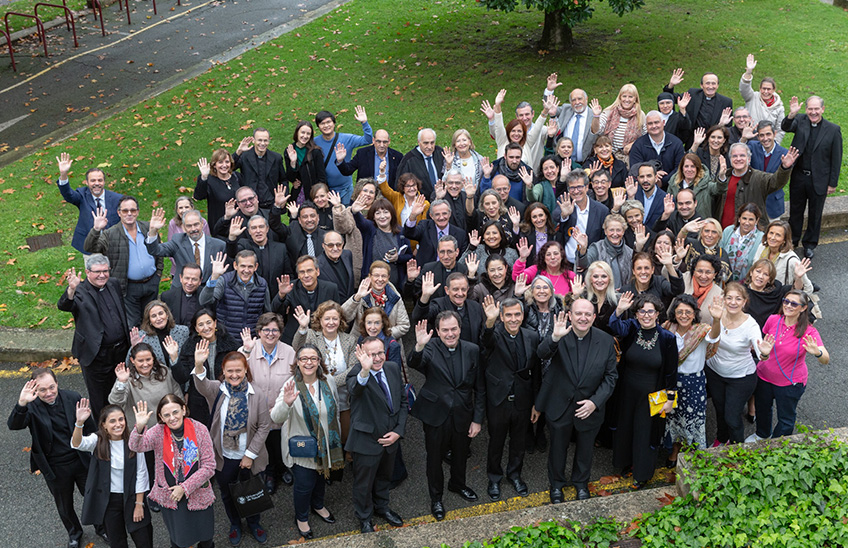
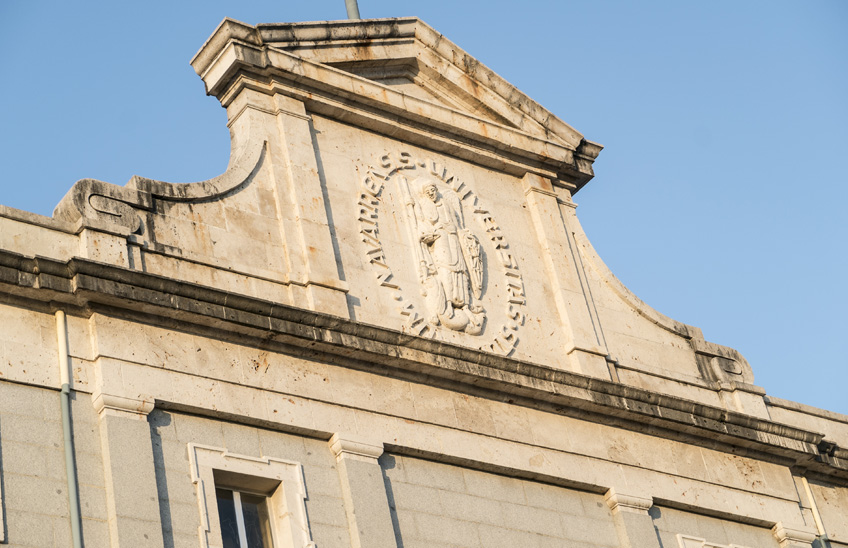
The Higher Institute of Religious Sciences (ISCR) at the University of Navarra held a workshop on Friday, February 27, at its campus workshop "How to Talk About Christ Today | 1700 Years of Nicaea", a meeting in which participants analyzed how to present Jesus Christ in today's cultural context, coinciding with the anniversary of the Council of Nicaea. The session, which was chaired by the Archbishop Emeritus of Tarragona and first director ISCR, Monsignor Jaume Pujol, featured presentations by Miguel Brugarolas and César Izquierdo, professors at the School Theology.
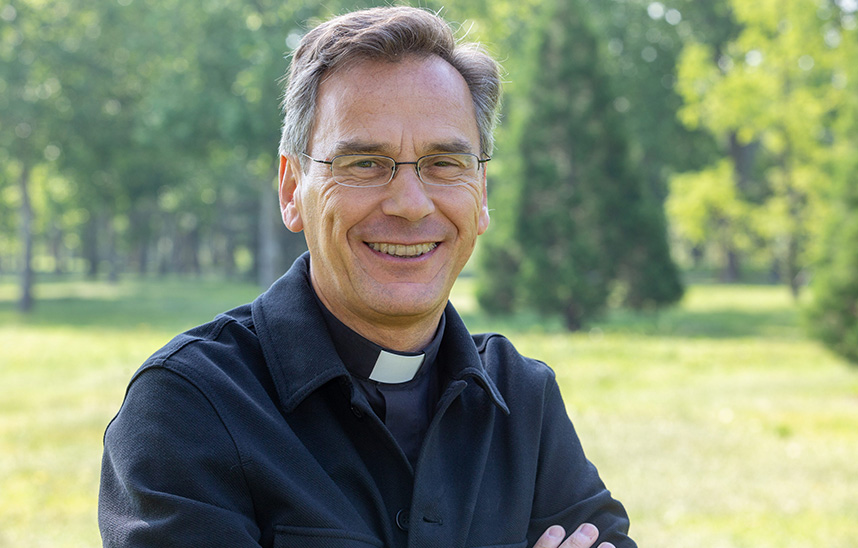
In his speech, Professor Brugarolas presented the data we have on the Council of Nicaea, the first ecumenical council held in 325. He focused on the importance of the Symbol of Faith that the Fathers solemnly professed on that occasion and which has since become an expression rules and regulations the Church's faith. In light of the reception of the Council in the fourth century, he pointed out that what was at stake was not simply the correct expression of the faith, but the very understanding of Christian life and the Church. Quoting St. Basil, he recalled that "we believe as we are baptized and we glorify as we believe" and showed how the importance of Nicaea lay not only in a doctrinal clarification in the face of Arianism, but in the Church's fidelity to its awareness of having been born of the Trinity and of moving toward it. "The Fathers of the Church understood," Brugarolas concluded, "that fidelity to Jesus Christ, the confession that He is truly the Son of God, is the cornerstone of Christian life and the hope of heaven."
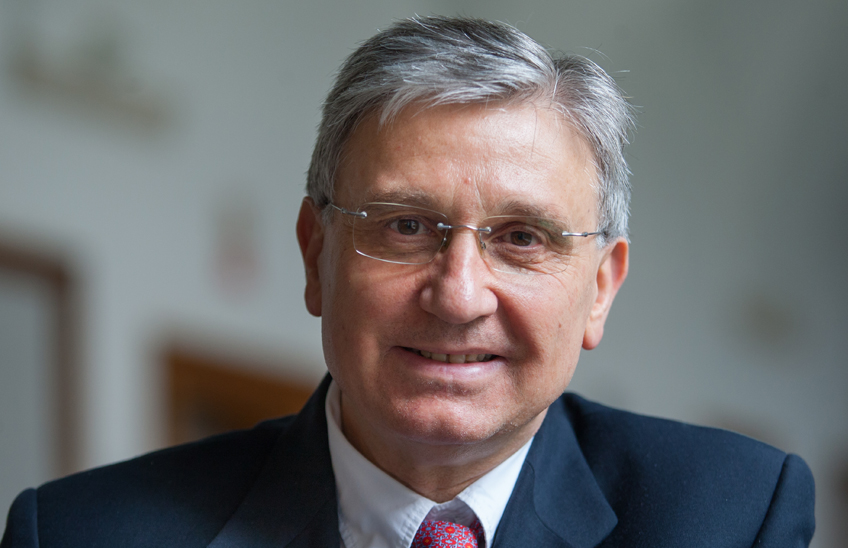
For his part, César Izquierdo analyzed contemporary interpretations that have questioned teaching and reviewed the main criticisms directed at both Athanasius and the council itself. He explained how some current trends question the need for dogmatic language or reduce the figure of Jesus to purely ethical or historical dimensions. He pointed out that "if we abandon the Nicene line that Athanasius maintained firmly and clearly, we easily fall into new forms of Arianism," recalling that the discussion the fourth century directly affected the Christian understanding of God and salvation. He also explained why the teaching is decisive for understanding how Christ saves human beings: "If Christ is not truly God, he cannot be our Savior." Izquierdo explained that, for the Church Fathers, the affirmation that the Son is "homoousios," consubstantial, "of the same substance as the Father," was not a terminological detail, but the guarantee that Christ is the only mediator between God and men, and the savior of all. He also warned of the need to maintain doctrinal precision in today's preaching: "It is not enough to speak of the approachable Jesus; we must proclaim Christ the Lord, who died and rose again for us."
Photo gallery