The University participates in a project to personalize diabetes treatment subject
Researchers will develop a diagnostic kit to predict drug response using a sample .

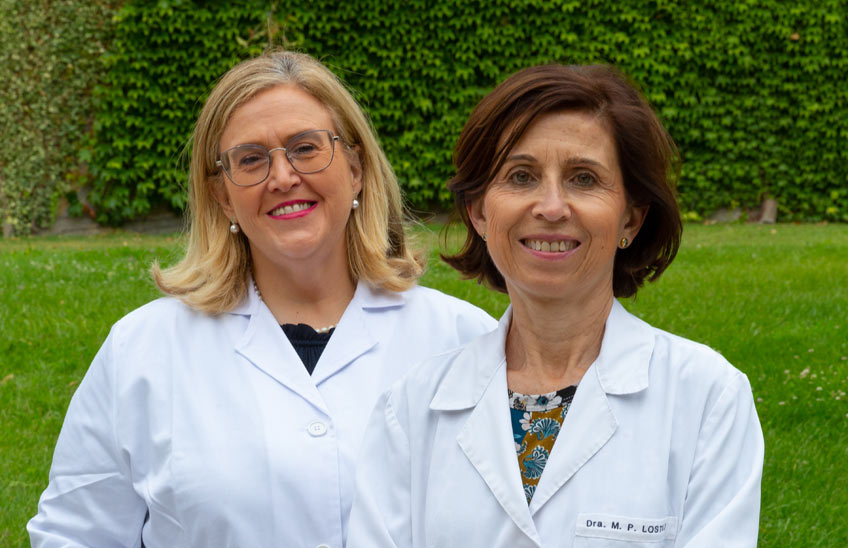
PhotoManuel Castells/Sonia García Calzón, researcher at the University's School Pharmacy and Nutrition.
19 | 02 | 2026
The University of Navarra is participating in a project whose goal to personalize pharmacological treatment for subject diabetes. The EPIPREDIA initiative will develop a diagnostic kit based on epigenetic biomarkers (indicators core topic the development metabolic diseases), which will make it possible to predict response and tolerance to treatment in patients with subject diabetes (T2D) based on DNA analysis in blood.
Sonia García Calzón, professor at the School Pharmacy and Nutritionand researcher at the Center for research (CIN), part of the Institute of Nutrition and Health, will lead the academic center's participation in the European study, coordinated by Lund University (Sweden), which also involves Aarhus University (Denmark), Region Skåne (Sweden), and the association Diabetesassociation .
The project receive €894,000 in European funding, of which €200,000 has been granted by the Government of Navarra for the development study at the University of Navarra.
Currently, the response of patients diagnosed with subject diabetes to drug treatment is highly heterogeneous. Approximately 10-30% of people do not respond adequately or cannot tolerate first-line treatment, based on drugs such as metformin or GLP-1 analogues, including Ozempic, which have represented a significant advance in the treatment of the disease.
However, these patients could receive more appropriate treatment from the outset, promoting better metabolic control—including blood glucose and body weight—and reducing the risk of complications, both renal and cardiovascular. "Knowing the optimal treatment after diagnosis is crucial to reducing mortality associated with a disease that affects millions of people worldwide," explains García Calzón. "Personalization is core topic: rather than model test model , we are looking for a more effective, evidence-based treatment, which makes this study unique," he adds.
An affordable and easy-to-use kit
The project , which will run for three years, will combine epigenetics, clinical medicine, and epidemiology, drawing on Danish and Swedish population cohorts with fifteen years of clinical follow-up and a total of approximately 24,000 patients. "This is a database enormous scientific value that we are already analyzing," says the researcher, a member of CIBEROBN.
Using innovative methods, blood biomarkers capable of predicting glycemic response, treatment tolerance, and weight changes in newly diagnosed patients will be identified and validated. In addition, the study will analyze the impact of drugs on their target cells and will culminate in the development a clinically useful product that facilitates the implementation of personalized medicine in diabetes subject .
"We want this resulting kit to be both affordable and easy to implement in clinics, similar to the PCR (polymerase chain reaction) tests used to diagnose COVID or other infectious diseases," he says.
The kit will enable better glucose control, lower cardiovascular and renal risk, and thus a reduction in mortality associated with the disease. Likewise, this more accurate diagnosis will help reduce the healthcare and social costs arising from complications and repeated changes in medication. "This is a project a major impact on health and society, as subject diabetes is a disease whose incidence in the population is clearly on the rise," concludes García Calzón.