Researchers at the University of Navarra are leading an international project to promote more sustainable model in hotel accommodations
The study concludes that eco-innovation, digitalization, and " partnership " among companies, government agencies, and suppliers are key factors in improving the hotel industry

11 | 08 | 2026
An international “ research ” conducted at the University of Navarra identifies the key factors for accelerating the hospitality sector’s transition toward a Smart Circular Economy (SCE) Economics , an model that combines sustainability, digitalization, and innovation to reduce the environmental impact of tourism. The study concludes that, although interest in implementing this approach is growing, its adoption continues to be hindered by economic, technological, institutional, and social barriers, such as high investment costs, a lack of digital capabilities, resistance to change, and poor coordination among the various stakeholders in the sector.
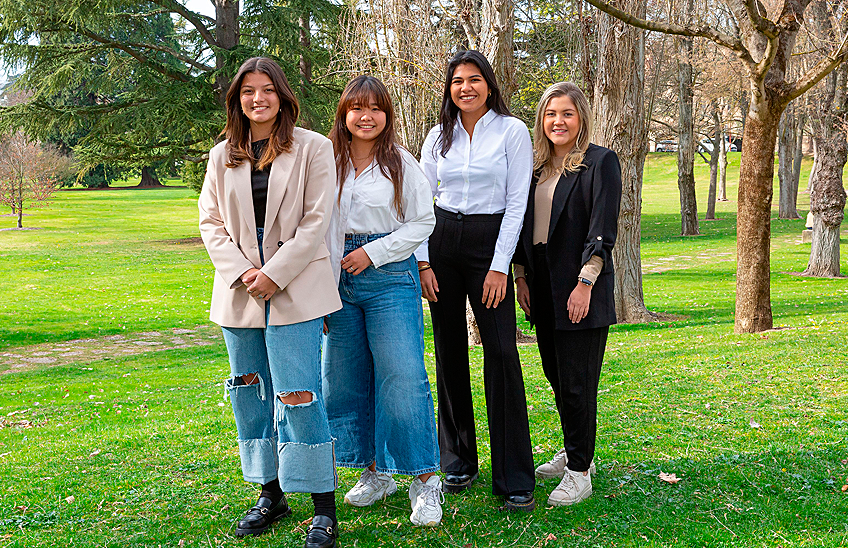
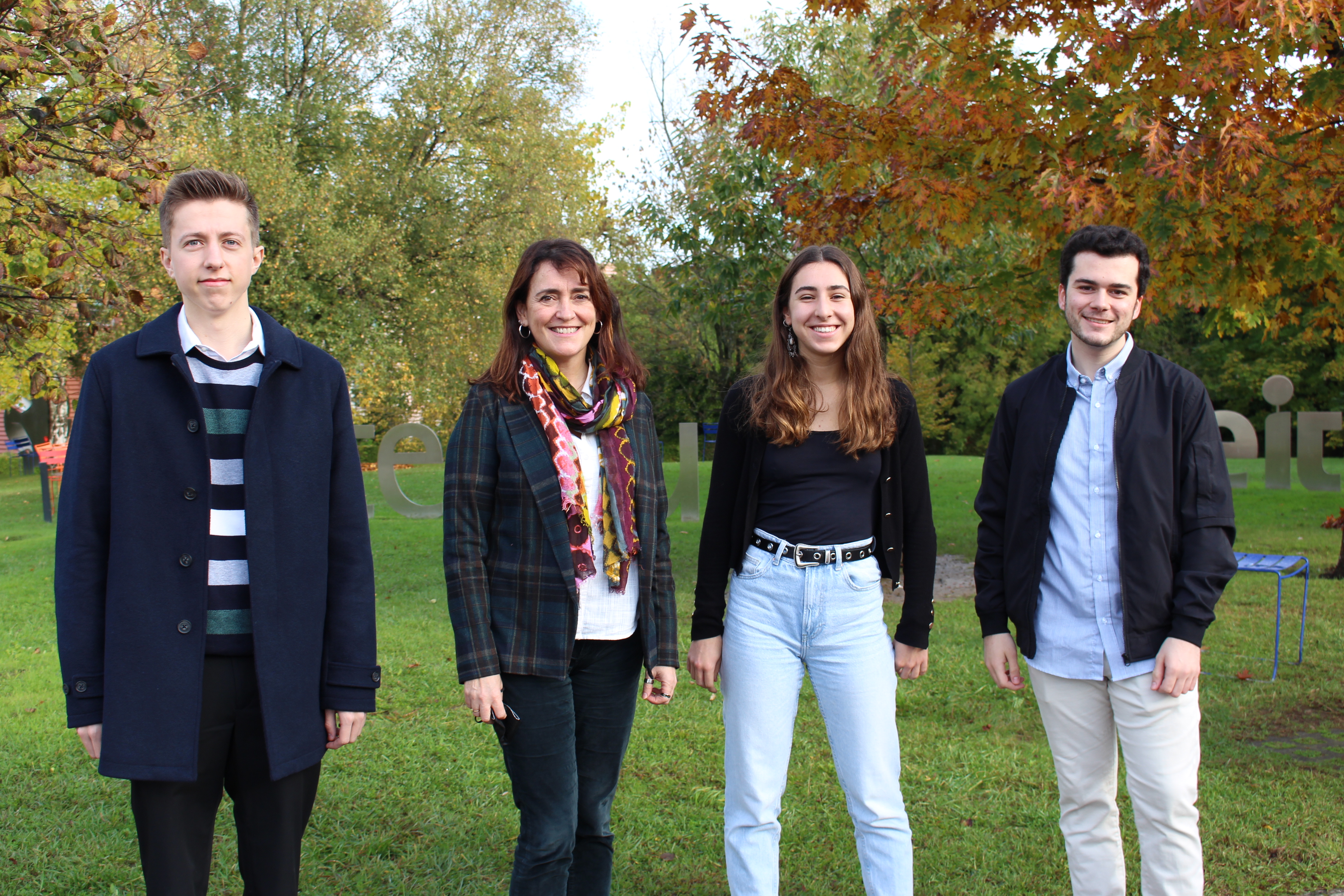
The study was conducted by professors María Jesús Álvarez, Paz Morer, Carmen Jaca, Marta Ormazabal, María Isabel Rodríguez, and Rafael Mora, researchers at the School of Engineering-Tecnun and the BIOMA Institute, with funding from the Basque Government through the PIBA grant program.
The first part of the “ work ” analyzes the main drivers and barriers to the implementation of the SCE based on interviews with tourist accommodations and other industry stakeholders in Spain. The results show that eco-innovation—defined as the development of products, processes, and services that optimize the use of resources (water, energy) and reduce environmental impact—along with digitalization and partnership among companies, government agencies, and suppliers, are decisive factors in improving sustainability and competitiveness in the sector; and they propose an integrative framework that links barriers, drivers, innovation, and business outcomes.
The second part of the study develops the first multidimensional “ framework ” to assess the “ Degree ” of readiness and maturity of tourist accommodations in the implementation of the SCE. Based on a systematic literature review and the consensus of 19 experts from seven countries, the “ model ” incorporates 14 dimensions and 66 subdimensions to measure the level of implementation at the organizational, inter-organizational, and ecosystem levels.
A sector that accounts for 12% of GDP
The “ tool ” aims to help companies and government agencies identify priorities, design strategies, and accelerate the transition toward a more sustainable and resilient tourism sector supported by Industry 4.0 technologies. “This is a ‘ model ’ that allows companies to identify their strengths as well as opportunities for improvement in terms of energy consumption, waste management, the impact of their activities on the local population, and so on. It also helps national and European authorities identify the most effective policies and the path to achieving their goals. This study provides actionable tools for both the sector and decision-makers at all levels,” explains Professor María Jesús Álvarez. Various techniques have been applied, including the Design Thinking methodology, in which the university has deep- knowledge , notes Professor Paz Morer.
Tourism is one of the pillars of the Spanish Economics and plays a fundamental role in the country’s economic and social development . Its contribution—nearly 12% of the gross domestic product (GDP)— along with the creation of millions of jobs work, makes it a strategic sector that drives activity in the hospitality, retail, transportation, and cultural industries, in addition to fostering the growth of numerous destinations. Its rich heritage, diverse landscapes, climate, and high-quality infrastructure have established Spain as one of the world’s leading tourist destinations.
However, this success also poses significant sustainability challenges subject . The steady increase in the issue number of visitors leads to higher water and energy consumption, greater waste generation, and increased greenhouse gas emissions, in addition to placing growing pressure on natural resources and ecosystems.